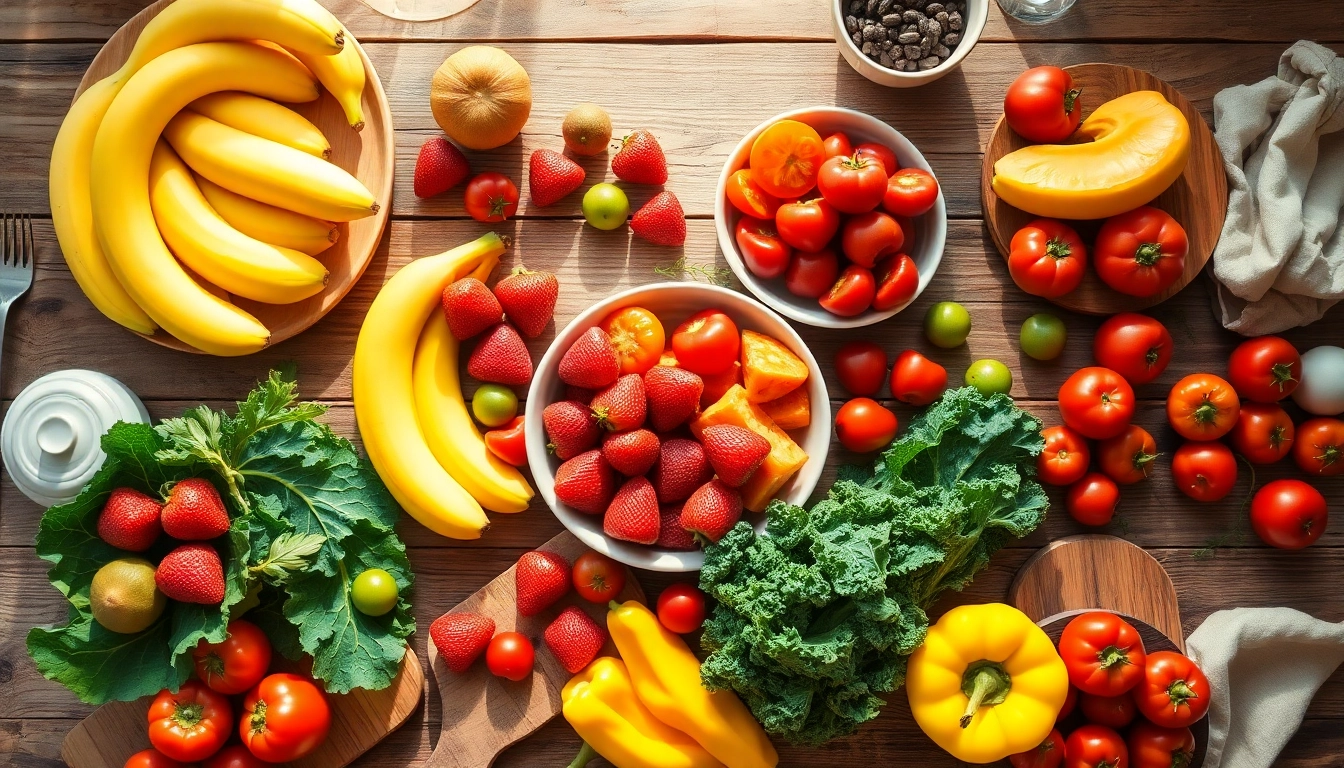
Understanding the Importance of Healthy Food
In a world awash with processed snacks, sugary drinks, and fast foods, the significance of incorporating healthy food choices into our diets cannot be overstated. Healthy food serves as the foundation for a vibrant, energetic lifestyle, affecting not only our physical health but also our mental and emotional well-being. This article delves into the various aspects of healthy eating, dissecting what constitutes healthy food, the myriad benefits of consuming it, and the common misconceptions that often cloud our understanding.
What Constitutes Healthy Food?
Healthy food is defined by its nutrient density, meaning it delivers a high amount of essential vitamins and minerals compared to its caloric content. Generally, healthy foods include:
- Fruits and Vegetables: Rich in vitamins, minerals, fiber, and antioxidants, they help boost the immune system and reduce chronic disease risk.
- Whole Grains: Unlike refined grains, whole grains contain all parts of the grain kernel and are packed with fiber, which aids in digestion and keeps you feeling full longer.
- Lean Proteins: Foods like chicken, fish, legumes, and tofu provide essential amino acids necessary for building and repairing tissues.
- Nuts and Seeds: High in healthy fats, they provide energy and assist in brain health and heart function.
The Benefits of Consuming Healthy Food
Adopting a diet rich in healthy foods involves numerous benefits, all contributing to improved quality of life. Key advantages include:
- Weight Management: A diet that emphasizes healthy foods is often lower in calories while being high in nutrients, aiding in weight loss or maintenance.
- Enhanced Mood: Nutrient-rich foods can improve mood and reduce symptoms of anxiety and depression.
- Increased Energy: Healthy foods provide sustained energy levels, allowing individuals to feel more active and alert throughout the day.
- Better Digestion: Foods high in fiber promote gut health and regular bowel movements.
Common Misconceptions about Healthy Food
Despite the wealth of information available, several misconceptions about healthy eating persist, including:
- Healthy Food is Expensive: While some health foods may be pricier, many inexpensive options exist, such as beans, seasonal vegetables, and whole grains.
- You Have to Avoid All Treats: Healthy eating is about balance, not deprivation. Moderation is key.
- Healthy Foods Don’t Taste Good: Various recipes can make healthy foods delicious, proving that nutritious eating can also be enjoyable.
Top 10 Healthy Food Choices for Daily Meals
1. Leafy Greens: Nutrient Powerhouses
Leafy greens such as spinach, kale, and collard greens are packed with vitamins A, C, E, and K. They boast high fiber content and rich antioxidants contributing to heart health and reduced inflammation. Incorporating a variety of leafy greens into meals can enhance nutrient intake without adding extra calories.
2. Whole Grains: Fuel for Your Body
Whole grains like quinoa, brown rice, and oats provide complex carbohydrates necessary for energy. They also aid in digestion due to their high fiber content. Substituting refined grains with whole grains can lead to better health outcomes, including reduced risk of heart disease and diabetes.
3. Lean Proteins: Building Blocks for Fitness
Lean proteins such as chicken breast, turkey, and legumes help build muscle and repair tissues. They provide essential amino acids without excessive fat, making them ideal for those looking to maintain or lose weight. Additionally, plant-based proteins like lentils and chickpeas offer heart-healthy benefits.
4. Berries: Antioxidant-Rich Superfoods
Berries such as blueberries, strawberries, and raspberries are high in vitamins as well as antioxidants. They are known to improve heart health and cognitive function and can satisfy sweet cravings in a healthy way.
5. Fatty Fish: Omega-3s for Brain Health
Fatty fish like salmon, mackerel, and sardines are rich in omega-3 fatty acids, which support brain health and reduce inflammation. Regular consumption is linked to improved cardiovascular outcomes and can lower blood pressure.
6. Avocados: Healthy Fats that Nourish
Avocados are unique because they contain healthy monounsaturated fats that support heart health. They also provide fiber and essential nutrients, making them a versatile addition to salads, sandwiches, and smoothies.
7. Nuts and Seeds: Miniature Powerhouses
Nuts and seeds such as almonds, walnuts, chia seeds, and flaxseeds are packed with nutrients, including fiber, protein, and healthy fats. They promote satiety, making them excellent snack options for weight management.
8. Greek Yogurt: Probiotics for Gut Health
Greek yogurt is a fantastic source of protein and contains probiotics, which support gut health. It can be enjoyed on its own, mixed with fruits for breakfast, or used as a base for smoothies.
9. Sweet Potatoes: Low Glycemic Index Carbs
Sweet potatoes provide complex carbohydrates and beta-carotene. Their low glycemic index makes them beneficial for blood sugar management. Baking or roasting sweet potatoes enhances their sweetness while retaining nutritional value.
10. Legumes: Affordable Nutritional Gems
Legumes such as beans, lentils, and peas are high in protein and fiber, making them filling and nutritious. They are also relatively inexpensive, making them accessible options for anyone looking to eat healthy.
Healthy Eating Habits for a Busy Lifestyle
Meal Prepping for Success
For many, a hectic lifestyle can make healthy eating feel like a challenge. Meal prepping is a strategic approach that can simplify healthy eating. Preparing meals in advance allows individuals to control portions, reduce food waste, and avoid unhealthy food temptations. A successful meal prep plan includes:
- Choosing a consistent day for preparation.
- Creating a menu that features diverse meals to prevent boredom.
- Investing in good-quality containers for storage.
- Incorporating a variety of proteins, grains, and vegetables for balance.
Healthy Food Options On the Go
When life gets busy, it’s essential to have healthy food options readily available. Packing portable snacks like fruit, nuts, yogurt, or whole grain wraps can keep energy levels stable throughout the day. Additionally, many restaurants now offer healthier menu items that focus on whole foods.
Balancing Fast Foods with Healthy Choices
Fast food doesn’t have to be the enemy of healthy eating. Many fast-food establishments now offer healthier options. Making informed choices can help balance convenience with nutrition. When dining out, consider:
- Choosing grilled over fried items.
- Opting for salads with dressing on the side.
- Sticking to water or unsweetened drinks instead of sugary sodas.
Creative and Delicious Healthy Food Recipes
Salads that Pack a Nutritional Punch
Salads can be much more than just a side dish; they can be a meal packed with various flavors and nutrients. Consider crafting salads with diverse ingredients:
- Quinoa and black bean salad, topped with cilantro and lime for freshness.
- Spinach salad with strawberries, walnuts, and a balsamic vinaigrette for contrasting flavors.
- Kale salad mixed with roasted chickpeas and a tahini dressing for extra protein.
Healthy Smoothies for Every Time of Day
Smoothies are versatile and can cater to different meal times — from breakfast to afternoon snacks. Creating a balanced smoothie can involve:
- Base of spinach or kale for nutrient density.
- Fruits like bananas or berries for natural sweetness.
- Liquid base of almond milk or coconut water for hydration.
- Add-ins like nut butter or protein powder for sustained energy.
Wholesome Snack Ideas to Keep You Energized
Snacking can sometimes lead to unhealthy choices, but there are many delicious alternatives. Consider these wholesome snack options:
- Apple slices with almond butter for fiber and healthy fats.
- Greek yogurt topped with berries and honey for protein and antioxidants.
- Vegetable sticks with hummus for a crunchy, satisfying treat.
Monitoring Your Progress with Healthy Food Choices
Utilizing Food Journals Effectively
Keeping a food journal can be an insightful way to monitor eating habits. Recording what you eat can reveal patterns, highlight areas for improvement, and keep you accountable. Consider the following tips:
- Be consistent; write down meals and snacks daily.
- Include details about portion sizes and how you felt after eating.
- Review your entries weekly to identify trends and set new goals.
Setting Realistic Goals for Healthy Eating
Setting achievable goals is crucial for long-term success in healthy eating. Instead of drastic changes, focus on small, incremental shifts. For example:
- Replace one unhealthy snack each week with a healthier alternative.
- Plan to cook one new healthy recipe each week to expand your options.
Adapting Your Diet for Long-term Health Benefits
Adopting a healthy diet is a journey rather than a destination. It’s important to remain flexible and adapt your approach as needed. Regular check-ins with your goals and being open to change will enhance your commitment to health over time.