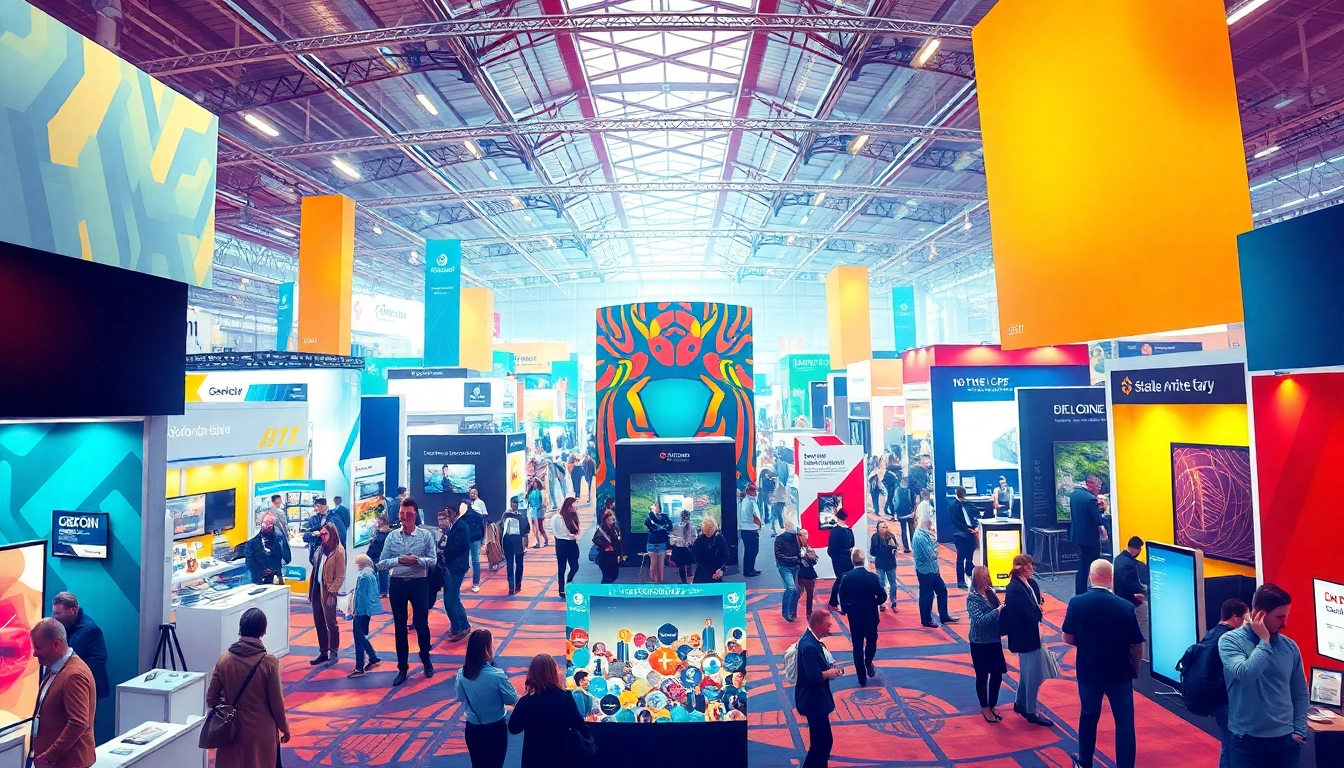
Understanding Exhibition Companies UK: An Overview
In the dynamic landscape of business marketing, exhibitions play an essential role in connecting brands with their target audiences. Within the UK, a diverse array of exhibition companies uk have emerged, each specializing in different aspects of exhibition management. These companies are pivotal in driving the success of trade shows, conferences, and exhibitions by providing services tailored to meet the specific needs of their clients.
What are Exhibition Companies and Their Role?
Exhibition companies serve as the backbone of any event, crafting outstanding visual experiences that help brands showcase their products and services. They operate in several capacities, from designing bespoke exhibition stands to managing entire exhibition projects. Their role encompasses multiple facets, including:
- Design and Build: Exhibition companies design custom stands that reflect the brand’s identity and attract attention on the show floor.
- Logistical Support: They handle all logistical aspects required for the exhibition, ensuring everything runs smoothly from setup to breakdown.
- Marketing Services: Many companies also offer marketing solutions that maximize attendee engagement before, during, and after the event.
Their multifaceted approach not only enhances the physical presence at events but also impacts the overall perception of a brand in the competitive market landscape.
Key Services Offered by Exhibition Companies UK
Exhibition companies in the UK offer a wide range of services tailored to meet specific client needs. Among these, some of the most significant include:
- Exhibition Stand Design and Construction: This involves creating visually appealing and functional stands that embody the client’s brand and facilitate interaction.
- Event Management: Comprehensive project management services ensure every detail, from venue selection to staff training, is meticulously handled.
- Logistics and Installation: Coordination of all logistical elements, including transportation, installation, and dismantling of stands, is paramount.
- Marketing and Promotion: Companies often provide strategies to promote their clients’ presence at the event, utilizing social media, email campaigns, and PR outreach to draw attendees.
- Post-Event Analytics: After the event, many companies analyze visitor data and feedback to measure success and ROI, providing clients with valuable insights for future exhibitions.
Top Trends in the Exhibition Industry
The exhibition industry continues to undergo significant changes driven by technology and evolving attendee expectations. Some of the prominent trends shaping the future include:
- Hybrid Events: The rise of digital technology has led to a surge in hybrid events, blending in-person experiences with virtual participation to broaden audience reach.
- Eco-Friendly Practices: Sustainability is a growing focus, with many companies adopting greener practices in their design and construction processes to reduce their environmental impact.
- Interactive Experiences: Incorporating immersive technologies such as augmented reality (AR) and virtual reality (VR) is becoming standard to create memorable experiences for attendees.
- Data-Driven Decisions: Utilizing data analytics to refine exhibition strategies and enhance ROI is increasingly common as businesses look to maximize their investments in exhibitions.
- Personalization: Tailoring experiences to specific audience segments is becoming essential in engaging attendees and creating lasting impressions.
Choosing the Right Exhibition Company in the UK
Selecting the right exhibition company can significantly impact the success of your event. With many options available, it is crucial to take a strategic approach when making this choice.
Factors to Consider When Selecting an Exhibition Company
When considering which exhibition company to partner with, several factors should guide your decision-making process:
- Experience and Reputation: Assess the company’s track record and reputation in the industry. Reviews and testimonials can provide insights into their reliability and effectiveness.
- Specialization: Ensure the company specializes in your industry or has experience with the type of exhibition you are planning. Their familiarity with your sector can lead to more tailored solutions.
- Portfolio of Work: Review their past projects to gauge their design capabilities and understanding of branding. A strong portfolio can demonstrate their creativity and versatility.
- Budget Flexibility: Discuss your budget openly to determine if they can work within your financial constraints without compromising quality.
- Customer Service: Effective communication is vital. Choose a company that is responsive, transparent, and willing to collaborate with you throughout the planning process.
Questions to Ask Potential Exhibition Partners
Once you’ve narrowed down your options, consider asking potential partners the following questions:
- What is your experience in our specific industry?
- Can you provide case studies or examples of past successful exhibitions you’ve managed?
- What innovative solutions can you offer for our exhibition needs?
- How do you handle project timelines and logistics?
- What metrics do you use to measure the success of an exhibition?
Asking these questions can help you better understand their capabilities and whether they align with your vision for the exhibition.
Case Studies: Successful Collaborations
Examining successful case studies can offer valuable insights into what to expect from an exhibition partner. For instance, a leading UK tech firm partnered with an exhibition company known for its innovative stand designs. The result was a highly interactive booth that utilized VR technology, leading to a 40% increase in lead generation compared to previous events.
Another example involves a sustainability-focused brand that worked with an exhibition company to create a fully eco-friendly stand. This not only reflected their brand values but also attracted significant media attention, enhancing their visibility within the industry.
Best Practices for Exhibition Planning and Execution
Successful exhibitions are born from meticulous planning and execution. Keeping in mind best practices throughout the process can greatly enhance the effectiveness of your exhibition.
Planning Your Exhibition Layout and Design Strategy
The layout and design of your exhibition stand are crucial in attracting attendees. Consider the following best practices:
- Open Design: An open layout encourages foot traffic and interaction. Avoid barriers that can inhibit visitor flow.
- Brand Consistency: Ensure your stand aligns with your brand identity. Colors, logos, and themes should be instantly recognizable.
- Interactive Elements: Incorporating interactive features, such as product demonstrations or engaging displays, can enhance the visitor experience.
- Strategic Signage: Use clear and concise signage to guide visitors’ attention. Eye-catching graphics can also help convey your message quickly.
- Comfortable Setup: Consider providing seating areas or refreshment options to encourage longer visits, which can boost engagement.
Integrating Technology for Enhanced Visitor Experience
In today’s digital age, technology plays a transformative role in exhibitions. Here are a few ways to leverage technology effectively:
- Mobile Apps: Develop an app to provide attendees with schedules, maps, and exhibitor information, enhancing their overall experience.
- Social Media Integration: Encourage visitors to share their experiences on social media by setting up designated photo opportunities and hashtag campaigns.
- Live Streaming: For larger audiences, consider live streaming key presentations or activities to reach those unable to attend in person.
- Lead Retrieval Systems: Utilize technology for capturing visitor information quickly and efficiently, ensuring follow-ups are timely and organized.
Post-Event Follow-ups and Evaluation Metrics
The event does not end once the doors close; follow-up activities are critical. Implementing effective post-event strategies involves:
- Thank-You Emails: Send personalized thank-you emails to all visitors and leads, expressing gratitude for their attendance.
- Feedback Surveys: Solicit feedback to identify areas for improvement in future exhibitions. Understanding attendee impressions can yield valuable insights.
- Analyzing Data: Review collected data to measure success against pre-defined KPIs, such as lead generation numbers and engagement levels.
- Strategizing Next Steps: Utilize the insights gained to plan for future events, adjusting strategies based on lessons learned.
Challenges Faced by Exhibition Companies in the UK
Despite their pivotal role, exhibition companies in the UK encounter various challenges that can impact their effectiveness. Identifying and addressing these challenges is crucial for sustaining success.
Common Obstacles in Event Planning and Management
Some of the prevalent challenges faced by exhibition companies include:
- Logistical Complexities: Coordinating logistics for large events presents numerous challenges, including transportation, installation, and scheduling.
- Budget Constraints: Staying within budget while delivering a high-quality exhibition can be difficult, particularly in competitive industries.
- Attendee Engagement: Generating and maintaining excitement among attendees is not always easy, particularly in saturated markets where numerous exhibitions occur.
- Technological Adaptation: Keeping up with rapidly evolving technology can be daunting, necessitating continuous learning and investment.
How to Overcome Budget Constraints
Budget constraints are a common issue in the exhibition industry, but several strategies can mitigate financial pressures:
- Early Planning: Start planning early to take advantage of lower rates for venues and services.
- Negotiation: Don’t hesitate to negotiate prices with suppliers and vendors to find cost-effective solutions.
- Utilizing Technology: Integrate technology to streamline processes and reduce labor costs.
- Clear Goal Setting: Define clear goals for the exhibition to prioritize expenditures and allocate resources effectively.
Adapting to Changing Regulations and Market Conditions
The exhibition landscape is impacted by numerous factors, including economic shifts and changes in regulatory requirements. Companies can adapt by:
- Staying Informed: Regularly update knowledge on industry regulations and market trends through professional development and networking.
- Flexibility: Cultivate a flexible approach that allows for adjustments in strategy as market conditions evolve.
- Technology Utilization: Leverage data analytics to anticipate market trends and adjust exhibition strategies accordingly.
Future of Exhibition Companies UK: What Lies Ahead?
Understanding the potential future of the exhibition industry is imperative for companies aiming to remain competitive. Several factors will shape the next phase of the market.
Emerging Trends and Technologies Shaping the Industry
As technology advances, exhibition companies must stay ahead of trends that reshape the industry:
- Artificial Intelligence (AI): AI is changing visitor engagement strategies, allowing for personalized experiences through data insights.
- Virtual Reality (VR) Experiences: Offering VR experiences can create more engaging and memorable presentations of products and services.
- Increased Focus on Health and Safety: Post-pandemic, health and safety regulations remain a priority, impacting layout and planning decisions.
- Community Engagement: Companies that foster a sense of community through events will continue to thrive.
Sustainability Practices in Exhibition Design
As environmental concerns gain prominence, exhibition companies in the UK are increasingly incorporating sustainable practices, such as:
- Reusable Materials: Designing stands with recyclable materials reduces waste and environmental impact.
- Energy Efficiency: Utilizing energy-efficient lighting and technology minimizes consumption during events.
- Waste Management: Implementing effective waste management strategies ensures responsible disposal and recycling during exhibitions.
The Role of Hybrid Events Going Forward
Hybrid events are here to stay. As digital and in-person experiences merge, companies must find ways to effectively engage both audiences. Here are key considerations:
- Seamless Integration: Ensure the hybrid elements of your exhibition integrate smoothly to provide a unified experience for all attendees.
- Maximizing Reach: Leverage digital platforms to reach a broader audience, thus enhancing lead generation capabilities.
- Content Accessibility: Make content available post-event to extend engagement beyond the physical event, prompting ongoing interaction and interest.