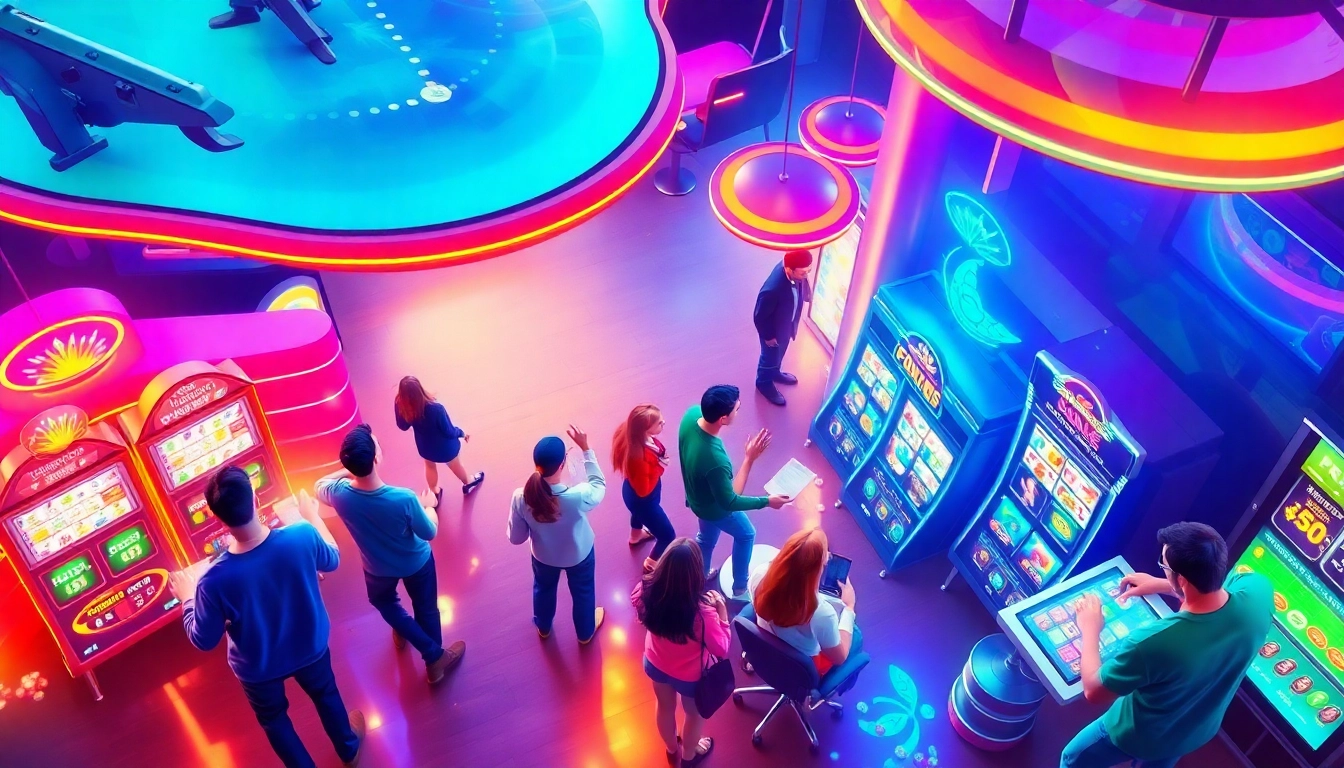
1. Understanding Retail Gamification in the Casino Industry
1.1 What is Retail Gamification?
Retail gamification refers to the integration of game-like elements and mechanics into non-gaming environments to enhance customer experiences and drive engagement. In the context of the casino industry, this involves utilizing aspects such as point systems, rewards, challenges, and competitions to create a more interactive and enjoyable environment for players. This innovative approach leverages human psychology and behavior, encouraging participation and retention among patrons. As the casino landscape becomes increasingly competitive, retail gamification emerges as a pivotal strategy, enabling establishments to differentiate themselves through unique customer experiences.
1.2 The Importance of Gamification for Casinos
Gamification is not merely a trend; it is becoming an essential component for casinos seeking to attract and retain customers. The necessity arises from shifting consumer behaviors as players seek more engaging and interactive experiences. Gamification cultivates loyalty, enhances customer experiences, and promotes longer visitation durations. Casinos employing gamified strategies can significantly benefit from increased customer retention, as players are more likely to return for the interactive elements that enhance their gaming experiences.
1.3 Key Components of Successful Casino Gamification
To effectively implement retail gamification within casinos, several key components must be considered:
- Clear Objectives: Establishing specific goals for what the gamification strategy should achieve enhances focus and direction.
- Engaging Mechanics: Introducing appealing game mechanics, such as points systems, leaderboards, and badges, fosters a competitive spirit.
- User-Centric Design: Ensuring a seamless and intuitive experience for players increases participation and satisfaction.
- Feedback and Rewards: Offering immediate feedback and tangible rewards keeps players motivated and encourages continued participation.
2. Benefits of Implementing Retail Gamification
2.1 Enhancing Customer Engagement and Loyalty
One of the most significant benefits of retail gamification is its ability to enhance customer engagement. By incorporating interactive elements, casinos can create an immersive experience that encourages customers to stay longer and participate more actively. Loyalty programs can be gamified, allowing players to earn rewards through gameplay, thus promoting patron loyalty.
2.2 Increasing Revenue through Gamified Experiences
Gamified experiences are often directly linked to increased revenue for casinos. The integration of competitions and challenges motivates customers to spend more in hopes of achieving their goals. As players engage with gamified content, they are more likely to participate in various gaming activities, thus driving up overall revenue.
2.3 Boosting Brand Awareness and Reputation
By embracing innovative gamification strategies, casinos can differentiate themselves in a crowded marketplace. Successfully implemented gamification not only enriches the customer experience but also contributes to positive word-of-mouth marketing and enhanced brand reputation. Casinos that are seen as trendsetters in adopting modern engagement strategies are more likely to attract new patrons.
3. Challenges in Implementing Retail Gamification
3.1 Overcoming Technical Barriers
Implementing gamification systems often requires advanced technology and software solutions. Many casinos face challenges related to outdated systems, which can hinder the integration of new gamified experiences. To address this, it is essential for casinos to invest in robust technological foundations that support gamification initiatives.
3.2 Ensuring Compliance with Regulations
Another significant challenge lies in ensuring compliance with gaming regulations. The introduction of gamification must align with state and federal laws governing gaming operations. Casinos should work closely with legal experts to ensure that their gamification strategies do not inadvertently violate any regulations.
3.3 Avoiding Common Pitfalls
Many casinos may feel the urgency to implement gamification without a thorough strategic plan, leading to ineffective applications that do more harm than good. To avoid common pitfalls, it is critical to conduct comprehensive market research, align gamification elements with customer preferences, and regularly assess the performance of gamified systems to adapt as necessary.
4. Best Practices for Retail Gamification Success
4.1 Designing Gamified Experiences for Players
Successful gamified experiences are those designed with the player in mind. Engaging and relevant challenges should resonate with players’ interests, encouraging them to participate. Designing personalized experiences based on player behavior and preferences can greatly enhance satisfaction and engagement.
4.2 Utilizing Data Analytics to Tailor Strategies
Data analytics play a crucial role in the success of gamification initiatives. By analyzing player data, casinos can understand engagement patterns and preferences, allowing for the creation of tailored strategies that enhance player interaction and satisfaction. Continual analysis provides insights into what elements are working and what requires adjustment.
4.3 Continuous Improvement and Feedback Loops
The implementation of gamification is not a one-time effort but requires ongoing evaluation and improvement. Establishing feedback loops that collect player input on gamified systems enables casinos to refine and enhance their offerings continuously. Regular updates and new challenges keep the experience fresh and engaging for players.
5. Case Studies: Retail Gamification Implementations in Casinos
5.1 Successful Examples and Their Outcomes
Numerous casinos have successfully implemented retail gamification strategies to achieve remarkable outcomes. For instance, a prominent casino in Las Vegas introduced a mobile app that features gamified elements such as challenges and rewards for frequent visitors. This approach led to a notable increase in customer engagement, with many players returning regularly to earn rewards through app interactions.
5.2 Lessons Learned from Industry Leaders
Industry leaders have demonstrated that gamification must be integrated thoughtfully. Effective strategies include aligning gamification with existing loyalty programs and ensuring that the mechanics are simple and fun. Lessons learned emphasize the importance of player feedback and adapting based on user experiences.
5.3 Future Trends in Retail Gamification
As technology evolves, so will the strategies employed in retail gamification. Future trends may see the incorporation of virtual reality and augmented reality experiences within casinos, providing players with immersive environments and unique challenges. The integration of blockchain technology may also emerge, facilitating transparent reward systems that could enhance trust and loyalty among players.