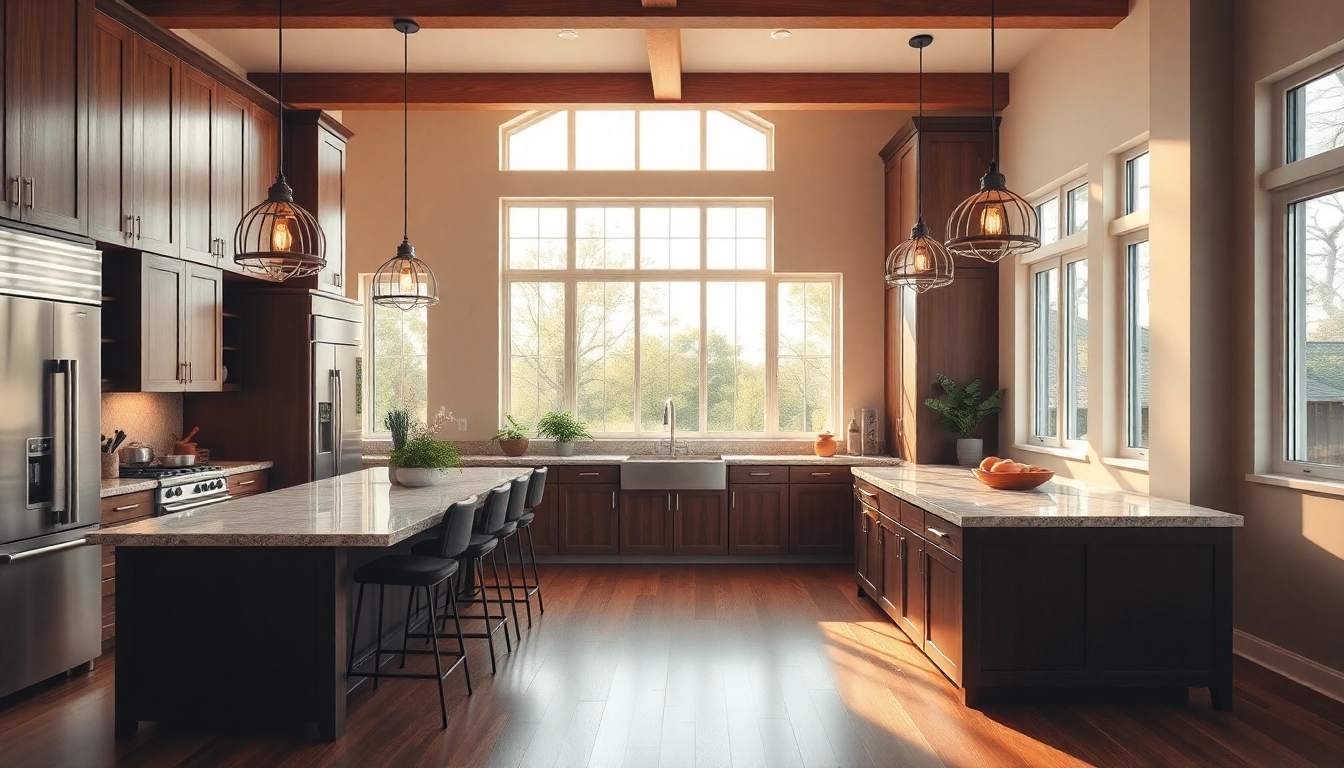
Understanding Kitchen Remodeling: An Overview
What Does a Kitchen Remodel Entail?
A kitchen remodel is a significant undertaking that involves altering the physical structure, aesthetic appeal, and functionality of your kitchen space. This can range from simple enhancements like changing countertops and cabinets to extensive renovations that require reconfiguring the layout or upgrading plumbing and electrical systems. The scope of a remodel can vary significantly based on your budget, design objectives, and existing kitchen conditions. Typical elements involved in remodeling include cabinetry, countertops, flooring, lighting, and appliances.
Why Hire Professional Kitchen Remodeling Contractors?
Engaging kitchen remodeling contractors is essential for ensuring a seamless, efficient remodeling process. Professionals bring expertise that encompasses design principles, local building codes, and construction techniques, which can save homeowners time and prevent costly errors. Professional contractors also have access to quality materials and subcontractors, which contribute to a more successful remodel. By hiring specialists, you can focus on personalizing your vision without getting bogged down in the technical aspects.
Common Challenges in Kitchen Remodeling Projects
Kitchens are often referred to as the heart of the home, making renovations intricate and sometimes challenging. Common issues that arise during kitchen remodeling projects include budget overruns, timeline delays, and communication gaps between homeowners and contractors. Hidden structural problems, like outdated plumbing or electrical systems, can also disrupt the planned design. By being aware of these common pitfalls, both clients and contractors can work together more effectively to ensure the project stays on course.
Choosing the Right Kitchen Remodeling Contractors
Key Qualifications to Look For
When selecting kitchen remodeling contractors, it’s crucial to assess their qualifications carefully. Look for licenses and certifications that demonstrate their expertise and compliance with local regulations. Experience in handling projects similar to yours can indicate their ability to tackle specific challenges. Additionally, contractors should possess strong project management skills, allowing them to oversee timelines, budgets, and subcontractors effectively.
Comparing Estimates and Services
Once you’ve narrowed your options to a few potential contractors, it’s time to request detailed estimates. A well-structured estimate should outline the costs associated with labor, materials, and timeline. Be wary of estimates that seem significantly lower than others; they might indicate a compromise in quality or elements left unaddressed. Comparing services beyond just price—such as warranty offerings, availability, and service range—can help in making a well-informed decision.
Client Testimonials and Reviews
Testimonials from past clients provide insight into a contractor’s reliability and quality of work. Look for reviews on reputable platforms and ask potential contractors for references. Speaking directly with former clients can reveal important aspects such as the contractor’s timeliness, professionalism, and ability to stay within budget. Positive feedback regarding post-installation support also serves as a red flag or green light when selecting your perfect contractor.
The Kitchen Remodeling Process Explained
Initial Consultation and Design Planning
The initial consultation is crucial; you define your goals, budget, and timeline. This meeting sets the groundwork for design planning, during which contractors might suggest options based on their expertise. Emphasis should be placed on a design that meets both aesthetic preferences and functional needs. Utilizing 3D rendering software can help visualize changes and streamline design decision-making.
Permit Obtaining and Pre-Construction Steps
Securing the proper permits is a vital pre-construction step. Homeowners must ensure compliance with local building codes to avoid legal issues and delays. Professional kitchen remodeling contractors often handle this process on behalf of the homeowner, making it seamless. Ensuring all structural changes align with zoning laws is also important to avoid problems during inspections.
How to Communicate with Your Contractors
Effective communication with your contractors can significantly influence the success of your project. Establishing regular check-ins can help in tracking progress and addressing any emerging issues promptly. Utilize project management tools or apps that allow for digital communication, image sharing, and notes about changes throughout the remodeling process. Always feel free to ask questions; transparency is beneficial for both parties involved.
Maximizing Your Kitchen Space Effectively
Functional Layouts: The Work Triangle Concept
Understanding the work triangle concept is essential in kitchen design. It emphasizes the importance of creating a functional layout that facilitates movement between the sink, stove, and refrigerator. Proper spacing and positioning can enhance efficiency, making meal prep much smoother. Depending on the dimensions of your kitchen, you can choose between layouts such as U-shaped, L-shaped, or galley kitchens that cater to your space while promoting accessibility and functionality.
Storage Solutions for Modern Kitchens
Modern kitchens face the growing challenge of limited storage space. Incorporating multi-functional furniture, such as islands with built-in cabinets, can maximize utility. Creative storage solutions, like pull-out shelves, pantry cabinets, and deep drawers, can significantly increase your kitchen’s storage capacity while maintaining a streamlined look. Adding vertical elements, such as wall shelves or hanging racks, can further optimize space.
Trendy Designs that Enhance Home Value
Investing in trendy design features can not only elevate your kitchen’s appearance but also enhance your home’s market value. Current trends include open shelving, smart home technology integration, and eco-friendly materials. Opting for neutral color palettes with pops of color through accents can provide a timeless yet contemporary feel. Additionally, considering energy-efficient appliances contributes to sustainability and aligns with modern homeowner preferences.
Post-Remodel Considerations and Maintenance
Assessing the Quality of Work Done
Once the remodeling project concludes, take the time to assess the quality of work thoroughly. Check finishes, alignment, and functionality of appliances. It’s essential to communicate any concerns to your contractor right away, as many warranties cover fixes shortly after project completion. Documenting any issues ensures that they are addressed efficiently and professionally.
Tips for Maintaining Your New Kitchen
To ensure your new kitchen remains in peak condition, establish a regular cleaning and maintenance routine. Utilize gentle, non-abrasive cleaning products for countertops, cabinets, and appliances to prevent damage. Regular inspections of plumbing and electrical fixtures will help detect wear and tear early on. Also, consider establishing a deep-cleaning schedule quarterly to maintain functionality and aesthetics.
Planning for Future Upgrades and Adjustments
The kitchen is a dynamic space that may require future upgrades. While planning your remodel, consider including features that allow for easy adjustments, such as modular cabinetry and adaptable layouts. Planning for expansiveness can also ensure that your kitchen can evolve with your needs. Remaining adaptable to changing trends will continue to enhance both your kitchen experience and your home’s appearance long after your remodel ends.