Understanding Phone Gimbals: What Are They?
Definition and Purpose of Phone Gimbals
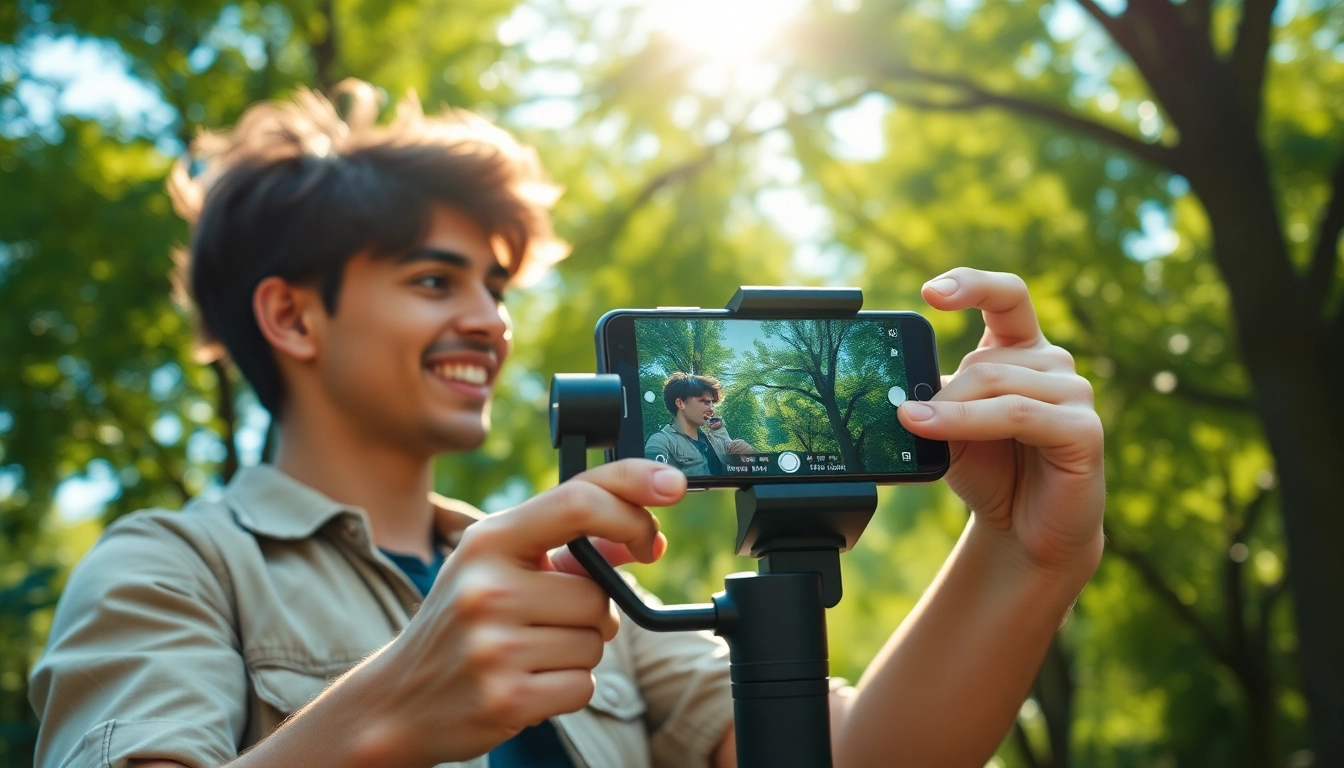
A phone gimbal is a handheld stabilizer designed to keep your mobile device steady while capturing video or images. It employs advanced motorized technology to counteract unwanted movements, providing smooth, cinematic results. Unlike traditional stabilizers that may rely solely on mechanical balance, gimbals utilize electronic motors and sensors to dynamically adjust to your movements, ensuring stability even in challenging filming environments. The purpose of a phone gimbal is not only to eliminate shake but also to enhance the creative possibilities of mobile filmmaking.
When exploring options, phone gimbal reviews and tutorials can offer valuable insights into making the most of this technology.
How Phone Gimbals Differ from Traditional Stabilizers
While traditional stabilizers, such as counterweights and mechanical mounts, aim to maintain a steady position through physical means, phone gimbals leverage electronic stabilizing capabilities. This difference allows gimbals to perform complex movements without the weight and bulk associated with their older counterparts. For instance, gimbals can execute smooth pans and tilts automatically, allowing creators to focus on their artistic vision rather than adjusting equipment. Additionally, many modern gimbals come with app integration, enabling advanced features like tracking and time-lapse shooting, which expand their versatility beyond basic stabilization.
The Technology Behind Phone Gimbals
The core technology of phone gimbals is built around three-axis stabilization. This system employs motors and sensors to detect movement along the pitch, roll, and yaw axes, allowing for accurate corrections in real-time. Most gimbals also include tilt-lock and follow modes, which enable a range of filming techniques. For instance, in follow mode, the gimbal will track the movement of the user while maintaining a stable horizon, while tilt-lock mode allows the user to control the vertical angle without losing stability. Additional features often include Bluetooth connectivity for remote control, built-in battery life indicators, and quick-release plates, making them more user-friendly and adaptive for filmmakers of all levels.
Choosing the Right Phone Gimbal for Your Needs
Factors to Consider When Buying a Phone Gimbal
Choosing the ideal phone gimbal requires careful consideration of several factors tailored to your specific needs. First, compatibility with your smartphone model is crucial, as weights and sizes can vary significantly between devices. Next, assess the gimbal’s weight and portability—if you’re planning to travel, a lightweight option may be optimal. Additionally, consider the battery life and motor power, as longer battery life is preferable for extended shooting sessions. Look for features like app integration, customizable settings, and whether the gimbal supports additional accessories like external microphones or lights.
Comparison of Popular Phone Gimbal Models in 2025
As of 2025, several models stand out in the phone gimbal market, each offering unique features suited to different types of filmmakers:
- DJI Osmo Mobile 7P: Known for its robust performance and excellent tracking capabilities, this gimbal is ideal for both casual users and professionals, featuring Smart Shooting modes that enhance usability.
- Insta360 Flow 2 Pro: This gimbal stands out for its AI-powered tracking, which can follow subjects automatically, making it perfect for action shots and dynamic content creation.
- Hohem iSteady M7: A budget-friendly option that doesn’t compromise on features, offering a good battery life and a lightweight design, suitable for everyday filming.
- Zhiyun Smooth 5S AI: This gimbal includes advanced features like an AI tracking system and an intuitive control panel, catering to those looking to create highly polished videos.
Budget vs. Features: Finding Balance in Your Selection
When navigating the gimbal market, it’s essential to find a balance between budget and features. While premium models offer advanced capabilities, there are also many mid-range gimbals that provide excellent stabilization without breaking the bank. Determine the essential features you require—such as battery life, weight capacity, and additional functionalities—and compare models within your price range. Remember, investing in a reliable gimbal can vastly improve your video quality, making it a smart expenditure for aspiring filmmakers.
Techniques for Using Phone Gimbals Effectively
Getting Started: Setup and Basic Operation
Setting up your phone gimbal is a straightforward process. Begin by attaching your smartphone to the gimbal’s mount, ensuring it is centered to maintain balance. Power on the device, and allow it to calibrate; this step is crucial for optimal performance. Most gimbals will provide visual indicators if they are properly balanced or aligned. Once calibrated, familiarize yourself with the control settings, which may include joystick operation for panning and tilting, as well as modes for locking and tracking. Taking the time to practice maneuvering the gimbal will lead to smoother filming techniques during actual shoots.
Advanced Filming Techniques with Phone Gimbals
With a solid grasp of your gimbal’s basic functions, you can explore advanced filming techniques that will enhance your storytelling capabilities. One popular technique is the “cinematic walk,” where the gimbal helps create smooth tracking shots while walking. To achieve this, maintain a steady pace and keep your movements fluid. Another technique involves using the gimbal in conjunction with various shooting angles; try high-angle shots for dramatic perspectives or low-angle shots for an epic feel. Experimenting with slow-motion and time-lapse modes can also yield stunning results, adding a professional touch to your videos.
Common Mistakes to Avoid When Using a Gimbal
Even experienced users can make mistakes when using a phone gimbal. One common error is neglecting to calibrate the gimbal before filming; this can lead to uneven shots and frustration during editing. Additionally, avoid abrupt movements when maneuvering the gimbal; smooth, deliberate gestures yield the best results. Another mistake is overlooking battery life—ensure your gimbal is fully charged before any significant shoot. Finally, remember to check compatibility with your smartphone’s camera features to avoid missing out on beneficial functionalities.
Enhancing Your Content: Integrating Gimbals in Video Production
Storytelling Techniques Using a Phone Gimbal
Phone gimbals are not just tools for stabilization; they can significantly enhance your storytelling techniques. Utilizing various cinematic shots, such as the reveal shot where the camera slowly uncovers a scene, or the dolly zoom effect for dramatic perspective shifts, can add depth to your narratives. Consider implementing thematic transitions by moving the gimbal through different environments, creating a dynamic visual experience for your audience. Always keep in mind the emotional tone you want to convey, and select movement styles that align with that message.
Post-Production Tips for Gimbal Footage
Once you have captured exceptional footage with your gimbal, post-production plays a vital role in refining your final product. Start by stabilizing your footage further using video editing software, which can correct any minor shakes not caught in the gimbal. Color grading is another essential step; it enhances visual cohesion and impacts the storytelling aspect of your video. Additionally, consider incorporating sound design to heighten emotional engagement—adding background music or sound effects can dramatically enhance the viewing experience. Finally, exporting your video in high quality ensures that the visual integrity is maintained across platforms.
Collaborating with Other Creators: How Gimbals Elevate Team Projects
In collaborative projects, phone gimbals can streamline filming processes and improve the quality of teamwork outputs. By providing steady shots that reduce the need for multiple takes, gimbals allow creators to focus more on the creative aspects rather than technical issues. Moreover, gimbals can assist in capturing both wide shots for environmental context and close-ups for emotional dialogue, making them versatile tools in team productions. Clear communication and shared techniques among team members will further enhance the effectiveness of using gimbals collaboratively.
Future Trends in Smartphone Gimbals and Filmmaking
Emerging Technologies in Gimbal Design and Functionality
The technology surrounding phone gimbals is rapidly evolving, with emerging features that promise to enhance user experience. Innovations like AI-driven tracking are becoming standard, allowing for sophisticated subject-following capabilities without additional input from the user. Additionally, future designs may integrate augmented reality (AR) features to provide real-time feedback and on-screen guidance for users, enhancing shooting techniques and reducing learning curves. Manufacturers are also focusing on sustainability, with eco-friendly materials and practices becoming more prominent in gimbal production.
Predictions for Gimbal Features in 2025 and Beyond
By 2025, we expect to see significant advancements in smartphone gimbal functionality and design. Features such as gesture control, which would allow users to operate the gimbal with simple hand motions, could become commonplace. Furthermore, wireless charging capabilities will likely be integrated, enabling longer filming sessions without the worry of depleted batteries. Additionally, improvements in weight distribution technology may yield ultra-lightweight gimbals that don’t sacrifice performance, making them even more user-friendly for on-the-go filmmakers.
How Social Media Influences Gimbal Usage Trends
In the age of social media, gimbals are becoming indispensable tools for content creators. Platforms such as Instagram, TikTok, and YouTube require visually captivating content that stands out from the crowd. The demand for high-quality, steady footage has led more users to invest in phone gimbals, driving innovation and competition among manufacturers. As trends shift towards vertical video and live streaming, the adaptability of gimbals allows users to create engaging content in various formats. Keeping an eye on social media trends will be crucial for filmmakers looking to leverage gimbal technology to its fullest potential.