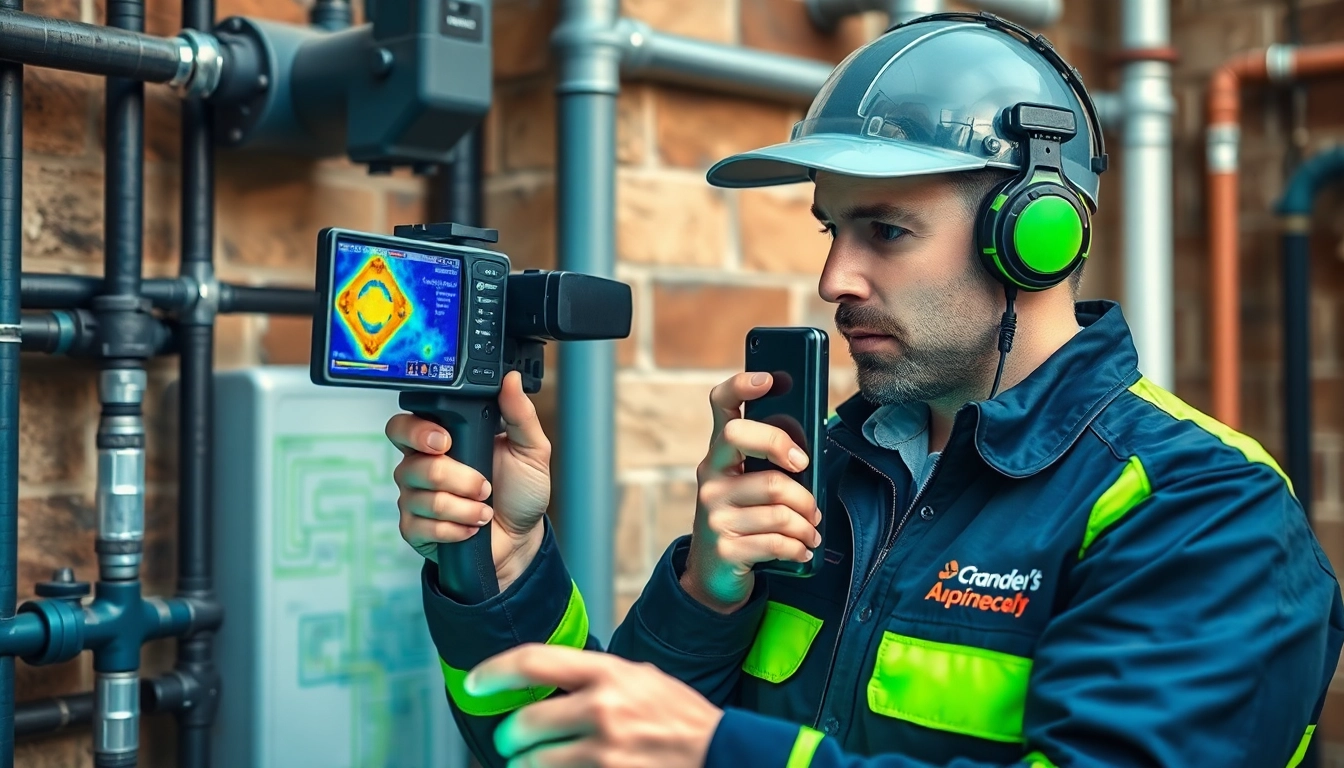
Understanding Water Leak Detection: The Basics
Water leak detection is an essential service that aids homeowners and commercial property owners in identifying and addressing potential water damage before it escalates into a significant issue. The implications of undetected leaks can be severe, leading to structural damage, mold growth, and wasted resources. Understanding the intricacies of water leak detection can empower you to take proactive measures in protecting your property and finances.
What is Water Leak Detection?
Water leak detection refers to a range of methods employed to identify leaks within plumbing systems, whether they occur in residential or commercial environments. This process typically involves professional services equipped with advanced technology to accurately locate leaks. Leak detection specialists utilize a combination of physical inspection and high-tech tools to pinpoint the source of leaks without causing damage to the property.
The Importance of Early Leak Detection
Timely leak detection is crucial for a variety of reasons. Firstly, even small leaks can result in large quantities of wasted water, significantly inflating utility bills. Secondly, leaks that go unnoticed can lead to extensive water damage, necessitating costly repairs. Furthermore, damp environments foster mold growth, which poses health risks and can deteriorate the property’s value. Addressing leaks early not only saves money but also protects your home and health.
Common Sources of Water Leaks
Water leaks can originate from multiple sources within a property. Some of the most common include:
- Pipes: Corroded, broken, or poorly installed pipes can easily lead to leaks.
- Fixtures: Faucets, toilets, and other plumbing fixtures may develop leaks over time.
- Appliances: Dishwashers, washing machines, and water heaters are frequent culprits of leaks.
- Roofing: Roof leaks can occur from damaged shingles or improper sealing.
Advanced Technologies in Water Leak Detection
As technology has evolved, so too have the tools and methods employed in leak detection. Modern solutions are significantly more efficient and less invasive, enabling property owners to stay ahead of potential water damage.
Heat and Pressure Testing Techniques
Pressure testing involves isolating sections of plumbing and monitoring pressure changes to identify leaks. This method is particularly beneficial for underground or wall-embedded pipes, allowing for accurate leak identification without exposing the pipes. Heat testing, while less common, can help detect leaks in heating systems where water may escape through the infrastructure.
Utilizing Acoustic Listening Devices
Acoustic listening devices are a cutting-edge tool in the leak detection arsenal. These devices amplify sounds produced by water escaping from pipes, enabling technicians to locate leaks that may be hidden out of sight. Whether the sound comes from water trickling through a wall or gushing beneath the floor, these devices provide precise data on leak locations.
Benefits of Thermal Imaging in Leak Detection
Thermal imaging cameras detect temperature variations caused by leaks in building materials. By visualizing these differences, technicians can quickly identify areas of concern, especially where leaks might be obscured by walls, ceilings, or floors. This non-invasive method minimizes disruption and accelerates the diagnostic process.
Strategies for Effective Leak Identification
Employing effective strategies is key to successful leak detection, whether you are a homeowner or a property manager. Understanding common signs of leaks and utilizing innovative detection methods can significantly improve your outcomes.
Identifying Signs of Water Leaks in Your Home
Recognizing early signs of water leaks is critical to preventing further damage. Common indicators include:
- Unexplained wet spots: Look for dark patches on walls or ceilings.
- Increased water bills: A sudden spike can indicate a hidden leak.
- Mold growth: Mold in areas that are usually dry may suggest a leak is present.
- Unpleasant odors: Musty smells may indicate dampness behind walls.
Non-Invasive Methods for Leak Detection
The advent of non-invasive leak detection techniques has transformed how professionals assess plumbing systems. Techniques such as moisture mapping and infrared scanning allow technicians to investigate potential leaks without intrusive measures, significantly reducing the risk of property damage during the detection process.
Step-by-Step Approach to Locating Difficult Leaks
When faced with elusive leaks, a systematic approach can help resolve the issue efficiently:
- Initial Inspection: Begin with a thorough visual check of the property.
- Utilize Technology: Employ advanced tools like thermal cameras and acoustic devices.
- Pressure Testing: Confirm suspicions by isolating and testing sections of plumbing.
- Moisture Mapping: Identify the extent of water infiltration and affected areas.
- Document Findings: Provide a clear report detailing findings and recommended actions.
Cost Factors and Value of Professional Leak Detection
The costs associated with water leak detection can vary significantly based on multiple factors, including the complexity of the issue, location, and technology used. Understanding these costs is essential when deciding between DIY solutions and professional services.
Understanding the Costs of Water Leak Detection Services
While general costs for professional leak detection services can range from $550 to $1,250 in the UK, it’s important to consider the specifics of your situation. Factors such as the location of the leak, accessibility, and the detection technology needed can affect the final price. Accurate leak detection saves long-term costs by preventing extensive repairs.
Comparing DIY vs. Professional Leak Detection
Homeowners often grapple with the decision of whether to tackle leak detection themselves or hire professionals. DIY methods can include simple checks or the use of home leak detection devices. However, these methods pale in comparison to the precision and expertise of trained professionals. Investing in expert services ensures that issues are accurately identified and addressed effectively.
Long-term Savings from Preventative Measures
Investing in professional leak detection services can lead to significant long-term savings. By identifying and repairing leaks early, homeowners can avoid costly water damage repairs, lower water bills, and enhance overall property value. Preventative measures, like regular checks and maintenance, can further safeguard against future leaks.
Future Trends in Water Leak Detection (2025 and Beyond)
As the field of water leak detection continues to evolve, new technologies and methodologies are emerging, promising even greater accuracy and efficiency.
Innovative Technologies Shaping the Industry
Future advancements in leak detection will likely incorporate artificial intelligence and machine learning to enhance predictive analytics. These technologies can enable systems to learn from previous leaks and provide real-time alerts for potential issues, furthering proactive measures for property protection.
Emerging Best Practices for Homeowners
Homeowners should stay informed about best practices in leak detection. Regular maintenance checks, employing smart leak detection devices, and understanding the signs of leaks are vital actions homeowners can take. Utilizing both technology and professional services will ensure comprehensive monitoring of water systems.
The Role of Smart Home Systems in Leak Prevention
Smart home technology is poised to revolutionize how homeowners manage and prevent water leaks. Smart sensors can provide immediate notifications when unusual water activity is detected, allowing for quick intervention before damage occurs. Integrating these systems can enhance overall home safety and streamline leak management.