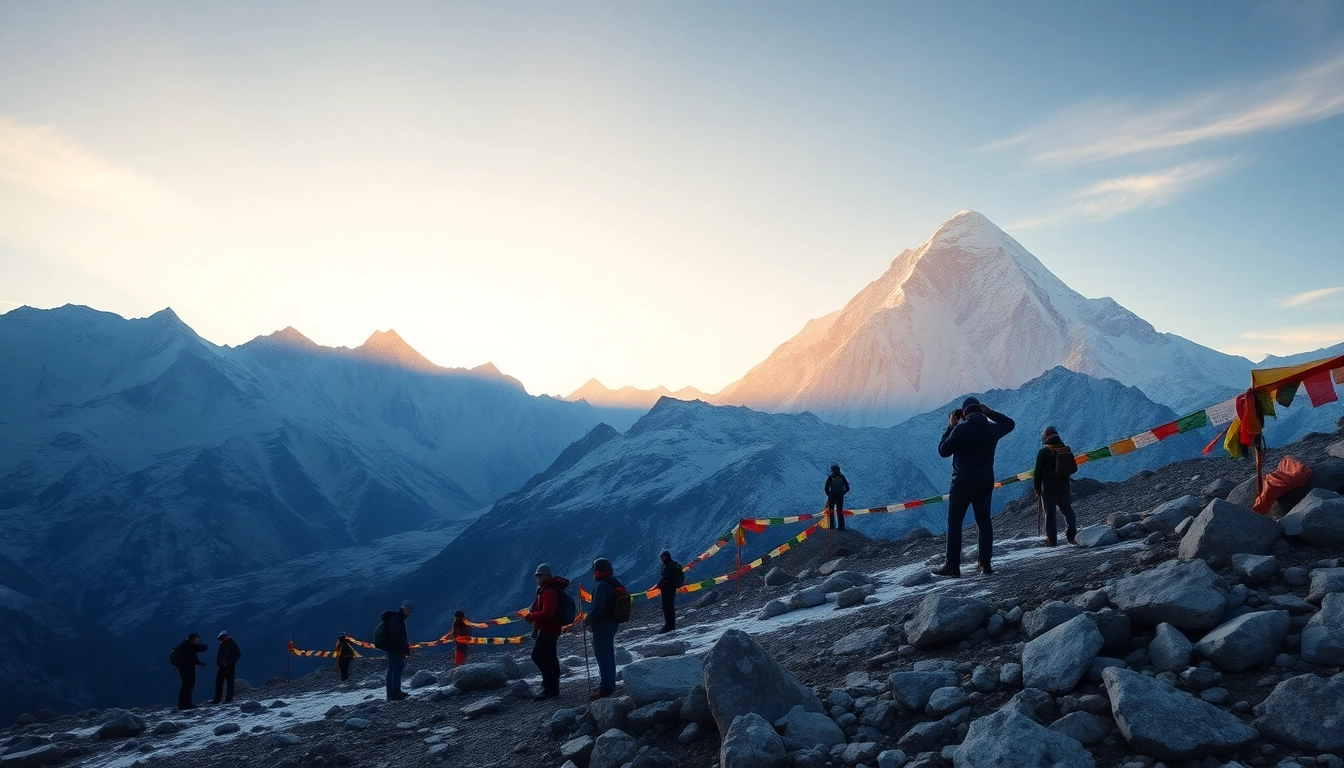
Overview of the Everest Base Camp Trek
The Everest Base Camp Trek (EBC) is a thrilling journey that every adventurer dreams of undertaking. This iconic trek leads you to the base of the world’s highest peak, Mount Everest, at an altitude of 5,364 meters (17,598 feet). Enveloped in the stunning vistas of the Himalayas, trekkers experience not only breathtaking scenery but also the rich culture and warm hospitality of the Sherpa people. With routes that traverse lush forests, high-altitude landscapes, and serene villages, the EBC trek stands out as one of the most sought-after trekking experiences in the world. For those looking to dive deeper into their planning for an unforgettable adventure, Everest base camp provides comprehensive insights and itineraries that can help make your trip seamless and enjoyable.
What to Expect on the Journey
As you embark on this 14-day trek, expect a variety of terrains, from lush valleys to rugged mountains. The journey begins with a scenic flight from Kathmandu to Lukla, where your adventure truly starts. Trekkers will navigate through charming villages like Namche Bazaar, a pivotal acclimatization point, and experience serene landscapes filled with rhododendron forests and stunning mountain views. The trek is designed to be rewarding yet challenging, making it accessible to trekkers with moderate fitness levels.
Highlights and Key Attractions
- Namche Bazaar: Known as the gateway to Everest, this bustling market town offers a glimpse into Sherpa culture.
- Tengboche Monastery: Visit the stunning monastery, the largest in the region, offering breathtaking views and a chance to participate in local ceremonies.
- Kala Patthar: The trek culminates at this viewpoint, known for its unparalleled sunrise views over Mount Everest and the surrounding peaks.
- Everest Base Camp: Experience the thrill of standing at the foot of Mount Everest, a once-in-a-lifetime moment for many trekkers.
Why Choose Ace the Himalaya for Your Trek?
Ace the Himalaya is an esteemed trekking company known for its commitment to safety, sustainability, and customer satisfaction. With experienced guides who are well-versed in high-altitude trekking, they ensure that trekkers are adequately prepared and supported throughout their journey. The company also focuses on responsible tourism, giving back to local communities and promoting environmental preservation.
Planning Your Everest Base Camp Trek
Best Times to Trek Everest Base Camp in 2025
The ideal times for trekking to Everest Base Camp are during the spring (March to May) and autumn (September to November) months. These seasons boast generally clear weather and moderate temperatures, making it a more enjoyable experience for trekkers. Spring witnesses vibrant flora, while autumn offers stunning foliage, making both periods visually appealing for adventurers.
Understanding the Weather and Environmental Conditions
The weather in the Everest region can be unpredictable. During the trekking season, expect daytime temperatures to range from 10°C to 20°C (50°F to 68°F) depending on the altitude, but nights can plunge to well below freezing, especially at higher elevations. Proper gear and layers are essential to cope with the fluctuating temperatures and potential rain or snowfall.
Permits and Regulations for Trekking
To trek to Everest Base Camp, trekkers must obtain several permits including the TIMS (Trekking Information Management System) permit and the Sagarmatha National Park entry permit. These permits can be arranged through your trekking agency and are typically included in the overall trek package. It is crucial to have these permits to access the trekking routes legally.
Fitness and Preparation for the EBC Trek
Training Tips for Beginners
While prior trekking experience is not mandatory, visitors should be in good physical condition and prepared for strenuous activity. It is advisable to engage in cardiovascular training, including hiking, running, or cycling, at least two months prior to the trek. Incorporating strength training and endurance sessions specifically prepares the body for the challenges of high-altitude trekking.
What Gear to Pack for Your Adventure
Packing smart is key to enjoying your trip comfortably. Essential gear includes high-quality trekking boots, warm layers, a robust sleeping bag rated for sub-zero temperatures, and trekking poles. A comprehensive packing list tailored for the Everest Base Camp trek will help ensure you have everything necessary for this adventure.
Navigating Common Challenges During the Trek
Altitude sickness is a common challenge faced by trekkers in the Everest region. It is essential to acclimatize properly by allowing your body time to adjust to the changing altitudes. Furthermore, hydration, a balanced diet, and listening to your body are crucial in mitigating the risks associated with altitude sickness.
Accommodation and Meals on the Trek
Types of Lodging Available at Base Camp
Accommodation on the Everest Base Camp trek typically consists of teahouses, offering basic yet comfortable lodging that includes twin-sharing rooms. While some of the more developed areas, like Namche Bazaar, offer options with attached bathrooms, expect simpler arrangements further along the trek. A good night’s rest is vital for your trekking stamina.
Local Cuisine: What to Expect in the Mountains
The cuisine along the EBC trek primarily consists of local Nepali dishes, focusing on comfort food that provides energy for trekkers. Expect meals such as Daal Bhat (rice and lentils), noodles, soups, and fried rice. Vegetarian options are readily available, and it’s recommended to try local dishes to fully immerse yourself in the culture.
Hydration and Food Safety Tips
Staying hydrated is critical during the trek. While you can find boiled water in teahouses, consider investing in a purification system to ensure safe drinking water throughout your journey. Avoid ice in drinks and choose bottled water when possible to minimize health risks.
Safety and Health Considerations
Altitude Sickness: Prevention and Recognition
Altitude sickness can occur at elevations above 2,500 meters (8,200 feet) and can affect even experienced trekkers. Symptoms include headaches, nausea, and dizziness. Recognizing these signs early and descending to a lower altitude can help alleviate discomfort and prevent serious complications. Always consult your guide if you experience symptoms.
Health Risks and First Aid on the Trek
Trekkers should carry a basic first aid kit that includes essentials like pain relievers, antiseptics, and altitude sickness medication. Guides are trained in first aid and will carry necessary supplies, but having personal medication for common ailments is advisable.
Insurance Considerations for High-Altitude Treks
Travel insurance is highly recommended for trekking in the Everest region, as it covers medical emergencies, evacuation, and trip cancellations. Ensure your policy includes high-altitude coverage to safeguard against unforeseen circumstances that may arise during your adventure.