Understanding Specialist Leak Detection
What Is Specialist Leak Detection?
Specialist leak detection is a focused service aimed at precisely identifying and diagnosing leaks in various plumbing systems, encompassing hidden leaks, pipe failures, and water intrusion issues. Unlike general plumbing services, leak detection specialists utilize advanced techniques and technologies to quickly locate these leaks without invasive digging or destruction. This method not only saves time but also significantly reduces repair costs associated with extensive damage caused by undetected leaks. By engaging in Specialist Leak Detection, homeowners and property managers can ensure the integrity of their structures while safeguarding their investments.
Benefits of Employing Specialist Leak Detection
Employing a specialist leak detection service comes with numerous advantages:
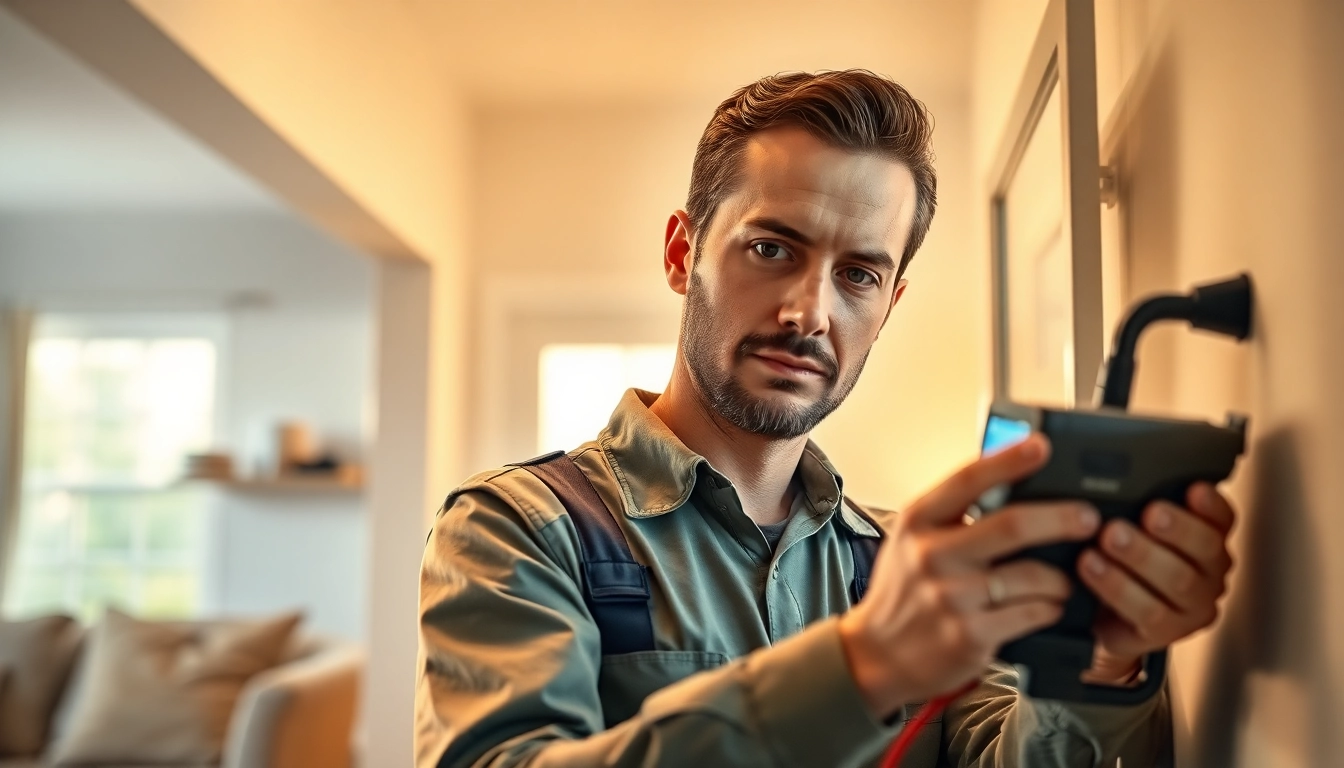
- Accuracy: These specialists use state-of-the-art technologies, such as thermal imaging and acoustic listening devices, to pinpoint the location of a leak with high precision.
- Non-invasive methods: Many leak detection techniques are non-invasive, which minimizes disruption to the property and avoids costly repairs associated with traditional methods.
- Time-saving: Specialized expertise allows for quicker diagnostics, enabling swift action that can prevent further damage.
- Cost-effective: Early detection of leaks can save a significant amount of money by preventing extensive damage that would require costly repairs.
- Peace of mind: Knowing that your property is free from leaks contributes to a safe and healthy living environment.
Common Types of Leaks Detected
Specialist leak detection encompasses several leak types, including:
- Water Leaks: These are the most common and can occur from pipes, fittings, and fixtures, often leading to water damage.
- Gas Leaks: Detection of gas leaks is critical for safety reasons, as these can pose significant health risks and fire hazards.
- Sewer Leaks: Such leaks may contaminate water supplies and lead to foul odors, necessitating immediate attention.
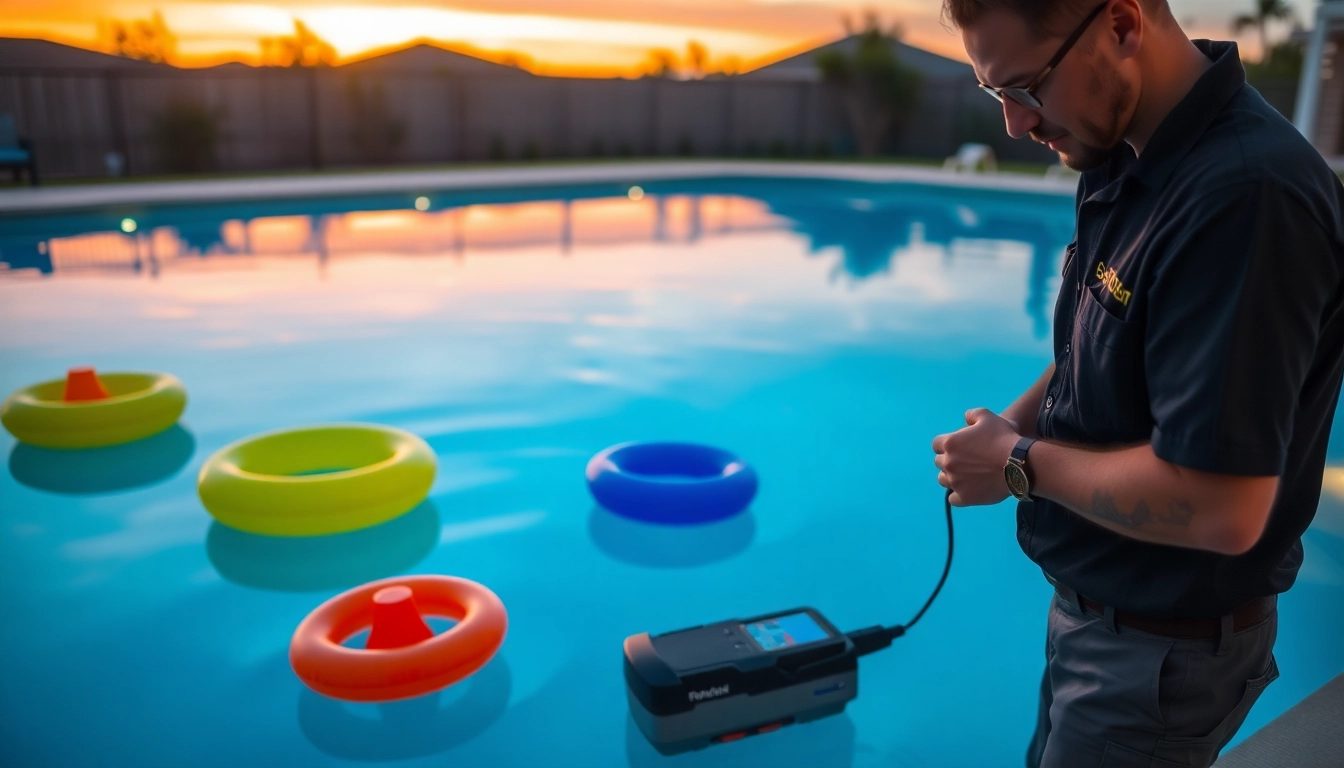
- Pool and Spa Leaks: Specialist services can detect leaks in swimming pools and spas, preserving water and preventing structural issues.
- Foundation Leaks: These can compromise the foundation integrity of a property, making early detection essential.
Signs You Need Specialist Leak Detection
Identifying Water Damage in Your Home
Water damage can manifest in various ways, such as discoloration on walls, ceilings, or floors; peeling paint; or unexpected puddles. If you notice any of these signs, it’s crucial to consider specialist leak detection. Water damage can lead to mold growth, structural weakening, and significantly increased repair costs if left unaddressed.
Unexpected Increase in Water Bills
One of the most telling indicators of a hidden leak is a sudden spike in your water bill without a corresponding increase in usage. If your water bill rises unexpectedly, it may signal leaks in the plumbing system that need immediate attention.
Musty Odors Indicating Hidden Leaks
If you detect a persistent musty odor in your home, it could indicate mold growth linked to undetected water leaks. Applying specialist leak detection services can help pinpoint the source of the moisture before it exacerbates health risks and property damage.
Choosing the Right Specialist Leak Detection Methods
Comparing Traditional vs. Modern Techniques
Traditional leak detection methods often involve physical excavation or extensive plumbing work, leading to added costs and property damage. In contrast, modern techniques utilize advanced equipment such as:
- Thermal Imaging: This method detects temperature variations, revealing potential leak sites based on the heat signature of water.
- Acoustic Detection: Specialized listening devices can pick up the sounds of leaking water, allowing technicians to locate leaks within walls or underground.
- Moisture Meters: These are used to measure the moisture content in building materials, helping to identify leaks without invasive methods.
Non-Invasive Detection Technologies Explained
Non-invasive leak detection technologies, such as those mentioned, are preferred for their ability to diagnose problems without significant disruption. Professionals use these methods to create a comprehensive understanding of where leaks are occurring and what systems are affected. Some advanced services may also include:
- Pressure Testing: This involves checking the pressure of the plumbing system to identify leaks that might be causing drops in pressure.
- Tracer Gas Detection: Involves using hydrogen and nitrogen gases that can escape from leaks, which are then detected through specialized sensors.
When to Use Professional Services
While there are DIY methods available for detecting leaks, professional services should be employed when:
- Water damage is evident or suspected.
- You experience sudden increases in water bills.
- Mold or mildew is present.
- Previous attempts to locate a leak have failed.
- You are unfamiliar with the plumbing systems in your property.
Preventing Water Damage with Specialist Leak Detection
Regular Home Inspections for Early Detection
Implementing regular home inspections can significantly aid in the early detection of potential leaks. Scheduling annual or bi-annual inspections with a specialist can help elevate awareness of any existing plumbing issues and rectify them before they escalate into major problems.
Maintaining Plumbing Systems to Avoid Leaks
Proactive maintenance of plumbing systems is key to avoiding leaks. This includes ensuring proper insulation, regular cleaning of gutter systems, and prompt repairs to any visible cracks or damages in pipes. Homeowners should also consider having their plumbing systems evaluated by leak detection specialists periodically.
Emergency Measures When a Leak Is Suspected
In the event of a suspected leak, immediate actions should be taken, such as:
- Shutting off the main water supply to prevent extensive damage.
- Documenting any visible water damage for insurance purposes.
- Contacting a specialist leak detection service for rapid response.
What to Expect from a Specialist Leak Detection Service
The Process of Specialist Leak Detection
Initial consultations generally involve discussing the symptoms observed, followed by a thorough inspection using the latest technologies. The process includes:
- Visual inspections of accessible areas.
- Utilizing advanced leak detection equipment for deeper analysis.
- Conducting pressure tests to assess plumbing integrity.
Understanding Service Costs and Timeframes
The costs associated with specialist leak detection can vary based on the complexity of the issue and the technology used. However, understanding the potential financial implications should not deter homeowners. Consider the cost of repairs for water damage versus upfront costs for detection services; investing in leak detection can yield significant savings in the long run. Moreover, most leak detection jobs can be performed within a few hours, making it a time-efficient solution.
Post-Detection Steps: Repair and Maintenance
Once a leak is detected, the subsequent steps typically involve repair or replacement of the affected pipes or components. It’s essential to address these repairs promptly to avoid further damage. Additionally, post-repair inspections can help ensure that the problem has been resolved:
- Confirming that all areas are dry and free from leaks.
- Monitoring water bill patterns for any irregularities.
- Establishing a routine maintenance plan to prevent future issues.