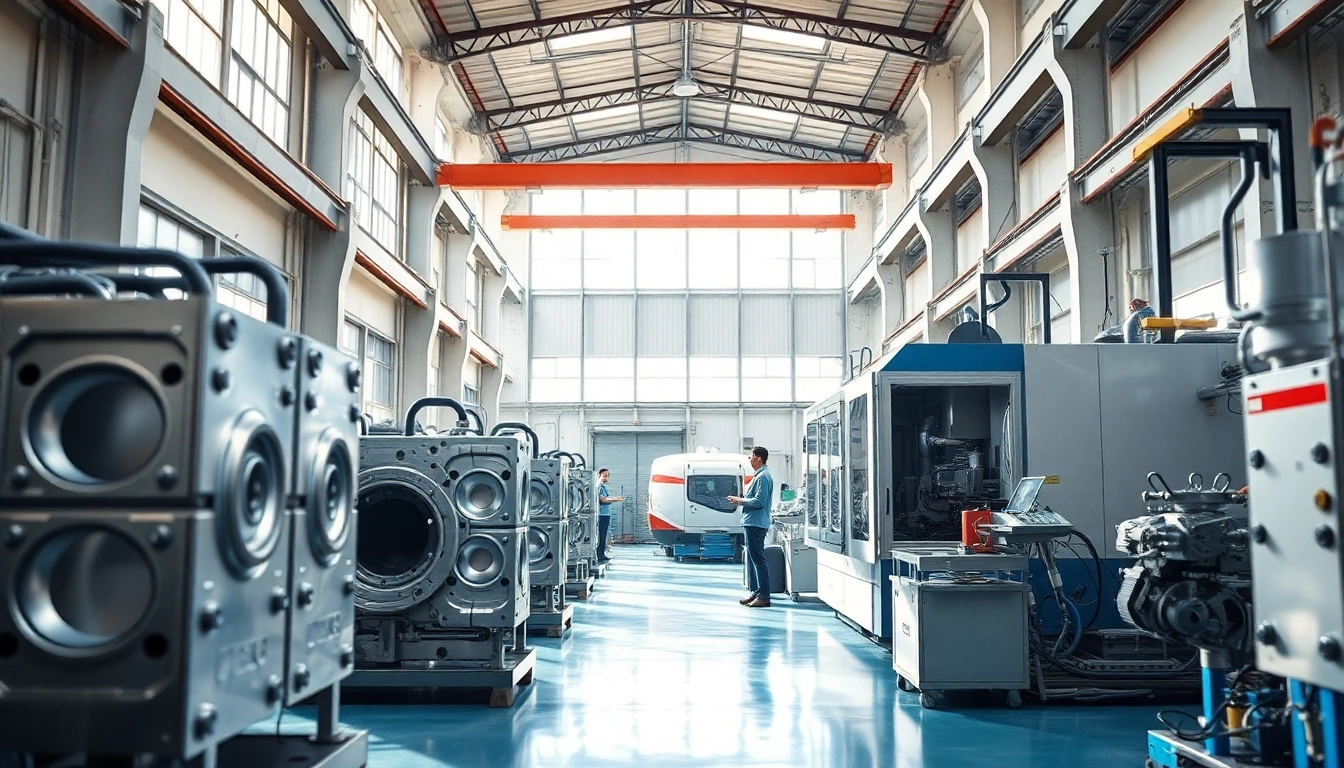
Understanding Aluminum Die Casting in Malaysia
Aluminum die casting is a critical manufacturing process that plays a significant role in various industries, providing high-quality, durable metal components. As Malaysia continues to emerge as a pivotal player in the global manufacturing arena, the demand for aluminum die casting is witnessing a significant rise. With its unique properties, aluminum is the material of choice for many applications, providing lightweight yet strong components essential for everything from automotive parts to electronics. In this article, we will explore the intricacies of aluminum die casting in Malaysia, evaluating its applications, benefits, and the industry’s competitive landscape.
When exploring options, aluminum die casting malaysia is a key consideration for manufacturers looking for quality and efficiency.
What is Aluminum Die Casting?
Aluminum die casting is a manufacturing process where molten aluminum is injected into a mold under high pressure. This process enables the creation of complex shapes with high precision and excellent surface finishing. The molds used are typically made from steel and are reusable, making them suitable for large-scale production. The primary advantage of aluminum die casting lies in its ability to produce lightweight components that maintain structural integrity, making it ideal for various applications.
Applications of Aluminum Die Casting in Various Industries
- Automotive Industry: Aluminum die casting is extensively used in automotive manufacturing for components such as engine blocks, transmission cases, and brackets due to its light weight and strength, which enhance fuel efficiency.
- Consumer Electronics: The demand for aluminum enclosures in consumer electronics, such as smartphones, laptops, and tablets, is growing. These components benefit from aluminum’s thermal conductivity and lightweight nature.
- Aerospace Sector: The aerospace industry utilizes aluminum die casting for airframe parts and internal components, which are subjected to rigorous performance standards.
- Industrial Equipment: High-quality die-cast components are essential in the manufacturing of machinery and tools, with aluminum offering the durability needed in heavy-duty operations.
Benefits of Choosing Aluminum Die Casting
Choosing aluminum die casting offers several benefits, making it a preferred manufacturing method:
- High Precision: The die-casting process allows for tight tolerances and complex designs that would be difficult to achieve with other manufacturing techniques.
- Cost-Effectiveness: Although the initial tooling costs can be high, the efficiency of mass production and low material waste can lead to reduced per-unit costs in the long run.
- Superior Surface Finish: Components produced through aluminum die casting have a smooth surface finish, often requiring less post-casting treatment.
- Corrosion Resistance: Aluminum naturally resists corrosion, making it ideal for parts exposed to harsh environments.
Key Players in the Malaysian Die Casting Industry
Malaysia’s die casting industry boasts a range of key players, each contributing to the growth and innovation within the sector. Notably, companies are implementing advanced technologies and focusing on quality improvements to meet rising global demands. This competitive landscape is characterized by a blend of established manufacturers and emerging companies, each offering unique capabilities and expertise.
Leading Manufacturers and Their Innovations
Prominent manufacturers such as Sena Diecasting and Teknicast are at the forefront of the aluminum die casting industry in Malaysia. They have embraced technological innovations like automated machinery and advanced mold designs to enhance production efficiency.
For instance, Teknicast has developed sophisticated mold designs that allow for increased flexibility and rapid prototyping, catering to the evolving needs of clients seeking tailored solutions. Sena Diecasting, on the other hand, has invested in high-pressure die casting machines that further streamline production while ensuring consistent quality across batches.
Industry Comparisons: MDI vs. Sena Diecasting
When comparing manufacturers, MDI’s extensive experience with over four decades in the industry positions it as a formidable player. MDI is known for its comprehensive range of aluminum die-cast products and capabilities. In contrast, Sena Diecasting focuses on precision and high-quality metal finishing services. While both companies excel in their offerings, their distinct approaches and areas of expertise provide customers with various options depending on their specific needs.
Insights from Industry Experts on Competitive Advantages
Industry experts emphasize the importance of technological adoption and customer service as critical competitive advantages in the aluminum die casting market. Companies that invest in research and development, along with those that prioritize building strong relationships with clients, are more likely to thrive. Moreover, having robust quality assurance processes in place allows manufacturers to maintain trust and reliability in their products.
Quality Standards and Regulations
Understanding the regulatory landscape is vital for manufacturers in Malaysia’s die casting industry, as compliance with international quality standards affects their competitiveness. Quality assurance is not just a regulatory requirement; it’s also a critical factor driving customer satisfaction and retention.
Understanding ISO Certification for Manufacturers
ISO certification is a mark of excellence that indicates a manufacturer adheres to internationally recognized quality management principles. In Malaysia, many leading aluminum die casting manufacturers seek ISO 9001 certification, which ensures consistent quality across processes. This certification helps companies gain credibility and access to global markets, reinforcing their commitment to quality.
Quality Control Processes in Aluminum Die Casting
Effective quality control processes in die casting involve strict monitoring of various stages of production. This includes:
- Raw Material Inspection: Ensuring that the aluminum alloy meets specified standards before production.
- Process Monitoring: Utilizing real-time data to monitor the casting process, ensuring adherence to specifications.
- Final Product Testing: Conducting rigorous testing of finished parts to verify dimensional accuracy and mechanical properties.
Future Regulatory Challenges and Compliance Strategies
As global regulations evolve, Malaysian die casting manufacturers must remain proactive. Challenges include adapting to stricter environmental regulations and ensuring sustainability in their operations. Implementing eco-friendly practices and investing in cleaner technologies will be essential for compliance and longevity in the market.
Technological Innovations Shaping the Future
Technological advancements are revolutionizing the aluminum die casting industry, influencing production methods, and enhancing product capabilities. Manufacturers are increasingly embracing modernization to stay competitive and meet market demands.
Emerging Technologies in Aluminum Die Casting
Some of the most notable technologies include:
- 3D Printing: Rapid prototyping and custom mold creation through additive manufacturing allow for shorter lead times and reduced costs.
- Smart Manufacturing: IoT-enabled devices provide real-time monitoring of production processes, leading to enhanced efficiency and reduced downtime.
- Advanced Simulation Software: Manufacturers can simulate casting processes to optimize designs and predict potential issues before production.
The Role of Automation and AI in Manufacturing
Automation and Artificial Intelligence (AI) are becoming vital in the die casting process. AI algorithms can optimize production scheduling and quality assurance, enabling manufacturers to predict failures and maintain operational efficiency. Automation minimizes human error and accelerates production, thereby reducing costs and improving product quality.
Trends to Watch in 2025 and Beyond
As the industry looks ahead, several trends are expected to shape the future of aluminum die casting:
- Sustainability: An increasing demand for environmentally friendly production methods will push manufacturers to adopt greener practices.
- Customization: The drive for personalized products will lead to a rise in custom die casting solutions catered to specific customer requirements.
- Global Market Expansion: As demand grows internationally, Malaysian manufacturers will likely expand their reach, entering new markets with high-quality aluminum die casting solutions.
Choosing the Right Aluminum Die Casting Partner
Selecting the right die casting partner is crucial for companies looking to remain competitive in the market. Here are key considerations to keep in mind:
What to Look for in a Die Casting Manufacturer
When evaluating potential partners, consider their industry experience, certifications, and track record of quality. A reliable manufacturer should not only meet technical specifications but also demonstrate a commitment to service and support throughout the production process.
Evaluating Capabilities and Technologies
Assessing the capabilities and technological advancements of a manufacturer is vital. Look for companies that invest in state-of-the-art equipment and maintain a strong focus on innovation. This ensures that they can accommodate specific project requirements and adapt to changing market dynamics.
Building Strong Partnerships in the Die Casting Supply Chain
Strong partnerships in the supply chain enhance collaboration and streamline processes. Effective communication, mutual respect, and shared goals are essential for building lasting relationships that can withstand challenges and foster growth.