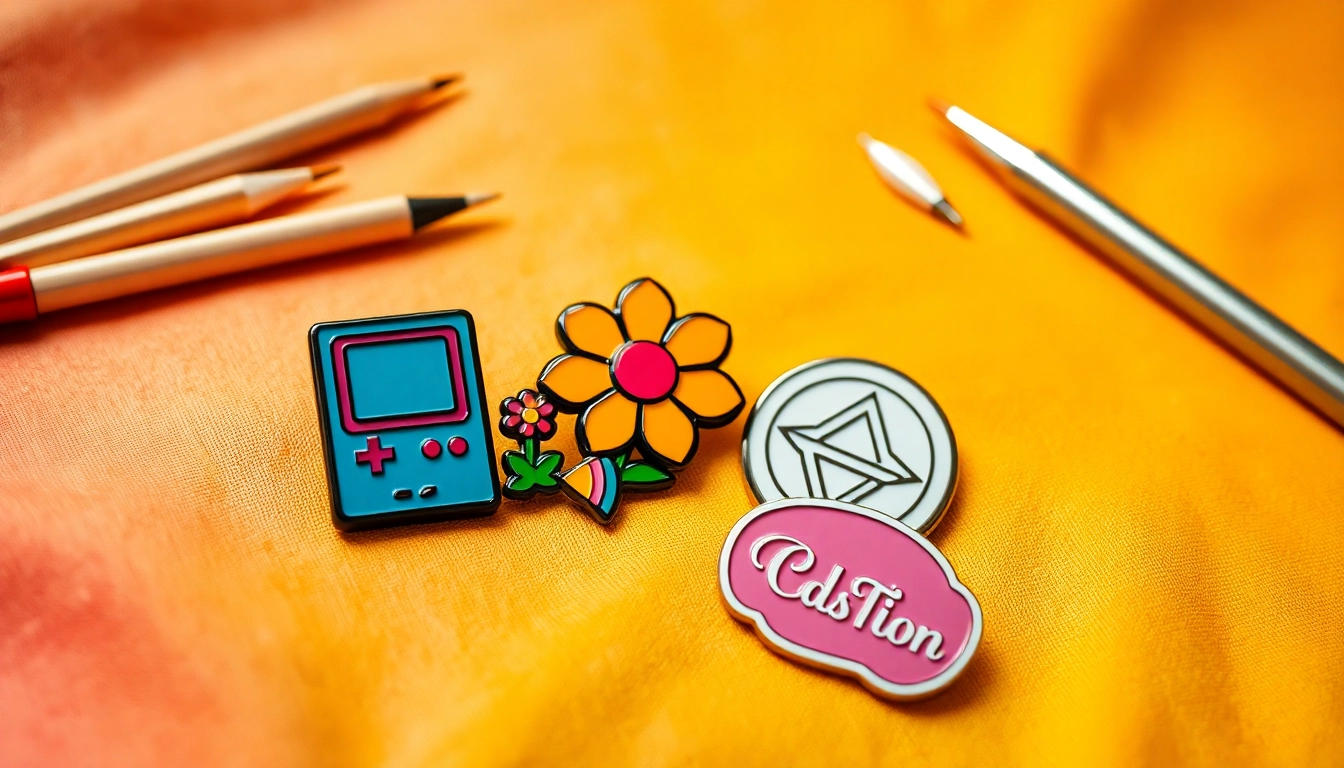
Understanding Custom Enamel Pins
Custom enamel pins have surged in popularity as a versatile and attractive accessory. Used for everything from branding initiatives to personal expression, these pins can be tailored to reflect an individual’s personality or a company’s brand identity. They offer an affordable yet impactful method for promoting messages visually. Whether for special events, corporate gifts, or casual fashion, custom enamel pins serve as a perfect medium to convey messages and attract attention.
What are Custom Enamel Pins?
Custom enamel pins, often called lapel pins, are small metal pins made by fusing colored enamel onto a metal base. They can feature intricate designs such as logos, illustrations, or personalized artwork. Available in various finishes and types, these pins are crafted through a meticulous process, resulting in durable accessories that maintain their vibrancy over time. Typically, pins are produced in either hard or soft enamel varieties. Hard enamel pins have a smooth surface where the enamel is level with the metal, while soft enamel pins have a slightly raised metal outline.
Why Choose Custom Enamel Pins?
There are numerous reasons to choose custom enamel pins. First, their aesthetic appeal enhances any outfit, making them a popular choice among fashion enthusiasts. Second, they are durable and resistant to wear, which means they can be cherished keepsakes or useful promotional items. Third, the customization aspect allows for creative expression, making them suitable as gifts for friends and family, as well as promotional products for businesses. Lastly, they are cost-effective, making larger orders feasible for organizations looking to promote their brand cost-efficiently.
Types of Custom Enamel Pins Available
When it comes to custom enamel pins, there are primarily two types: hard enamel pins and soft enamel pins. Hard enamel pins exhibit a polished finish, where the colored enamel is leveled with the metal, providing a sleek look. They are often heavier and more robust, making them ideal for each badge or high-end promotional items. On the other hand, soft enamel pins have a textured surface where the colors are recessed between the raised metal lines, presenting a more vibrant appearance due to the depth of color. Other types of pins include those with glitter or special finishes like antique or brushed effects, allowing even greater customization options for clients.
Designing Your Custom Enamel Pins
The process of designing custom enamel pins involves several steps, each requiring attention to detail to ensure the final product aligns with the envisioned design. It’s essential to approach this tedious but rewarding task with a clear strategy and creativity.
Steps to Create Your Design
To design custom enamel pins, begin by sketching your ideas. Don’t hesitate to explore multiple concepts before narrowing them down to the best one. After finalizing your rough sketches, move to digital design tools that can bring your vision to life. Most manufacturers accept designs in formats like PNG or vector files. After submitting your design, manufacturers usually provide a digital mock-up for approval to ensure that all elements, such as colors, shapes, and layouts, meet your expectations.
Color Choices and Techniques
Choosing the right colors for your custom enamel pins is critical. The color palette should align with your brand identity or the theme you wish to present in your design. Techniques like gradient color schemes or the use of metallic shades can enhance visual appeal. When possible, request a color guide from your manufacturer to ensure that the colors used in your digital design match the final product. Remember that less is often more; keeping your design clean and scalable makes for the most effective enamel pins.
Using Graphics and Logos Effectively
Integrating graphics, logos, or text into your pin design can significantly contribute to brand visibility or personal touch. Prioritize clarity—details that work well in digital formats may not translate effectively into small-scale pins. It might be beneficial to inflate certain features to ensure they are visible at smaller sizes. Additionally, consider including branding elements that connect emotionally with your audience or community to maximize engagement.
Production Process of Custom Enamel Pins
Understanding the production process of custom enamel pins can help you appreciate the craftsmanship that goes into each piece. From material selection to quality control, every step is crucial in delivering high-quality enamel pins.
Materials Used in Custom Enamel Pins
Typically, the materials used for custom enamel pins include brass, zinc alloy, and iron, each varying in weight and durability. Brass is often preferred for its ability to resist tarnishing and corrosion, which extends the lifetime of the pins. The actual enamel used can either be die-struck hard or soft enamel, depending on the texture and finish desired. Be sure to discuss the materials with your pin manufacturer to select the best options for your needs and budget.
Quality Control Measures
Implementing rigorous quality control measures is critical in the production of custom enamel pins. Manufacturers should conduct thorough inspections at different stages of production, from checking raw materials to inspecting the final product before shipping. Ensure that you communicate with the manufacturer regarding their quality assurance protocols, and consider requesting samples before placing a large order to evaluate the quality firsthand.
Understanding Bulk Orders and Costs
Bulk ordering is common in the world of custom enamel pins, as it not only reduces costs per unit but also ensures consistency in design and quality. Prices typically decrease with larger quantities due to economies of scale. Engage with manufacturers to explore bulk pricing structures and inquire about any additional costs associated with custom designs, such as mold fees or setup charges. Understanding these details before placing your order can help you budget efficiently.
Promoting Your Custom Enamel Pins
Once you have your custom enamel pins ready, the next critical step is promoting them effectively. Marketing strategies should resonate with potential audiences, boosting awareness and enthusiasm for your pins.
Marketing Strategies for Custom Enamel Pins
To successfully market your custom enamel pins, start by identifying your target audience. Tailor your messaging and visuals to align with their interests and values. You may want to utilize online marketplaces or social media platforms that cater to creative communities. Crafting compelling narratives about your designs can inspire potential buyers by linking personal stories or brand missions to the product.
Utilizing Social Media for Promotion
Social media provides a powerful platform for promoting custom enamel pins. Utilizing visually-focused platforms such as Instagram or Pinterest allows you to showcase your designs effectively. Posting engaging content, including behind-the-scenes looks at your design and production processes, can generate interest. Consider partnering with influencers or hosts of creative communities who can help broaden your reach.
Creating Events Around Your Custom Enamel Pins
Hosting events can further boost the visibility of your custom enamel pins. Whether it’s a pop-up shop, a local craft fair, or an online launch event, engaging with your audience directly can create buzz. Pairing these events with exclusive offers, giveaways, or bundling with other products can enhance participation and increase sales.
Measuring Success with Custom Enamel Pins
Analyzing the success of your custom enamel pin initiatives helps identify effective strategies and areas for improvement. Utilizing various metrics allows you to gauge the impact of your marketing efforts and the popularity of your designs.
Metrics to Track Your Custom Enamel Pins Campaigns
Key performance indicators (KPIs) to track may include sales figures, engagement rates on social media, and traffic to your website or online store. By evaluating these metrics regularly, you can determine which marketing strategies yield the best results. You could also analyze audience demographics to understand better where to direct your promotional efforts.
Analyzing Customer Feedback
Gathering customer feedback is invaluable in understanding user satisfaction and improving future designs. Create avenues for customers to leave reviews or testimonials, such as email follow-ups after purchases or feedback sections on your website. Directly interacting with customers via social media polls or questionnaires can also yield useful insights and foster a sense of community.
Iterating Designs Based on Performance
Using customer feedback and data analytics should feed back into your design process. Consider making tweaks to your designs or experimenting with new concepts based on which styles attract more interest. Keeping your offerings fresh and relevant is key to maintaining engagement with customers.